Learn what you can store in a storage unit, what to avoid, and how to protect furniture, clothes, electronics, and keepsakes.

What can you store in a storage unit? The short answer is that most clean, dry, nonhazardous household and business items can be stored safely when you choose the right unit and pack them correctly. However, the better question is whether each item needs climate control, special protection, or a different home altogether.
For first-time renters, that distinction matters. A unit can make a move easier, create breathing room during a renovation, protect business inventory, or make a small apartment feel livable again. On the other hand, storage should solve a defined problem instead of postponing a decision forever.
This guide explains what belongs in storage, what should stay out, when climate control is worth considering, and how to compare a local storage company with a national chain.
What Can You Store in a Storage Unit?
A storage unit can handle many everyday belongings. First, make sure every item is clean and completely dry. Then use containers and covers that suit the material.
Common items that people store include:
- Furniture during a move, remodel, or temporary relocation
- Seasonal decorations and household supplies
- Sporting and outdoor equipment, such as bicycles, fishing gear, and camping supplies
- Tools and maintenance equipment that do not contain fuel
- Books, dishes, and general household goods
- Clean clothing, linens, and sentimental keepsakes
- Business records, equipment, and approved inventory
Always review the facility’s rental agreement before moving in. Rules vary by facility, state, unit type, and insurance policy.
What Should You Never Put in a Storage Unit?
Most facilities prohibit items that can create a fire, health, legal, or pest risk. The exact list comes from your rental agreement, so ask for it before moving day.
In general, do not store:
- Gasoline, propane, fireworks, explosives, or other flammable materials
- Hazardous chemicals, toxic waste, or leaking batteries
- Perishable food, open food, pet food, or seeds
- Plants, animals, or any living thing
- Wet furniture, damp clothing, or items with active mold
- Illegal or stolen property
- Cash, irreplaceable documents, or extremely valuable jewelry
- Anything specifically excluded by the facility or your coverage
The U.S. Fire Administration notes that gasoline, oil, propane, paints, and varnishes present fire risks and require appropriate storage. A self-storage unit is not a substitute for an approved hazardous-material cabinet or disposal program.
Can Electronics Go in a Non-Climate-Controlled Unit?
Electronics need more thought than a plastic chair or a metal rake. Cold alone is not the only concern. Temperature swings, humidity, condensation, and batteries can all cause damage.
For a week or two, some well-packed electronics may tolerate a non-climate-controlled unit if conditions stay dry and moderate. However, valuable computers, televisions, audio equipment, and gaming systems are safer in climate-controlled storage, especially during a frigid winter, hot summer, or long rental.
Before storing electronics, remove batteries when the manufacturer allows it. Use the original packaging when possible, add anti-static protection, and avoid sealing moisture inside plastic. After removal, let cold equipment return to room temperature before turning it on. This step reduces the risk created by condensation.
What Needs Climate-Controlled Storage?
Climate control is worth considering when temperature or humidity changes could permanently affect an item. It does not guarantee that damage can never occur. Still, it can provide a more stable environment than a standard outdoor unit.
Consider climate-controlled storage for:
- Photographs, important papers, and books
- Electronics and battery-powered equipment
- Wood, leather, and upholstered furniture
- Artwork, collectibles, and musical instruments
- Delicate textiles and sentimental belongings
- Items stored through extreme heat, cold, or humidity
The Library of Congress explains that photographs benefit from a cool, relatively dry, and stable environment. Temperature and humidity swings can speed deterioration and increase the risk of condensation or mold.
Ask each facility what “climate controlled” means at that location. Temperature ranges, humidity management, monitoring, and building design can differ.
How to Prevent Pests, Moisture, and Damage
Good preparation does more than any single pest product. In fact, prevention starts before your belongings reach the facility.
- Clean everything. Wash and fully dry clothing. Vacuum furniture, drawers, and seams. Remove crumbs, grease, and food residue.
- Use the right containers. Rigid plastic bins with tight-fitting lids protect many textiles and household goods better than worn cardboard.
- Keep items off the floor. Approved shelving or pallets can help protect belongings from minor leaks and make inspection easier.
- Protect furniture correctly. Use clean, breathable furniture covers. Do not wrap damp wood or upholstery tightly in plastic.
- Leave room for airflow. A narrow aisle makes it easier to inspect the back of the unit and spot a problem early.
- Never store food. Even sealed snacks, pet food, and bird seed can attract pests.
- Check the unit. Visit periodically and look for moisture, odors, damaged containers, or signs of pests.
The U.S. Environmental Protection Agency recommends reducing clutter and using plastic boxes instead of cardboard where bed bugs are a concern. Follow product labels and facility rules before using any pesticide or deterrent.
Short-Term vs. Long-Term Storage
Short-term storage often solves a clear timing problem. For example, your lease dates may not line up, a room may be under renovation, or you may need to stage a home for sale. In these cases, convenience may matter more than the lowest monthly price.
Long-term storage requires a different calculation. Ask how often you will need access, how conditions change across seasons, and what the full annual cost will be. Also, schedule a review date. A “temporary” unit can quietly become a permanent expense if no one revisits its contents.
Is a Storage Unit Worth the Cost?
A storage unit can be worthwhile when it protects valuable belongings or supports a defined transition. Moving, downsizing, remodeling, traveling, and growing a small business are all practical examples.
Before signing, calculate more than the advertised monthly rate. Include the rental term, administrative fees, lock, transportation, insurance or protection plan, and possible rate changes. Then compare that total with the realistic replacement value of the items and the value of the space you regain at home or work.
Storage is usually harder to justify when it holds forgotten, low-value clutter indefinitely. If the annual cost is higher than the value of what is inside, selling, donating, recycling, or reorganizing may be the better choice.
Local vs. Big-Chain Storage: Which Is Better?
A national chain may offer standardized systems, multiple locations, and a familiar online rental process. A local storage company may offer more direct communication, local knowledge, and flexible help when your situation does not fit a standard script.
Neither option is automatically better. Compare the complete offer:
- Total price after promotions end
- Unit size and climate-control options
- Access hours and location
- Lighting, gates, cameras, and on-site practices
- Rental terms, rate-change language, and cancellation rules
- Insurance requirements and exclusions
- How quickly a real person can answer a question or solve a problem
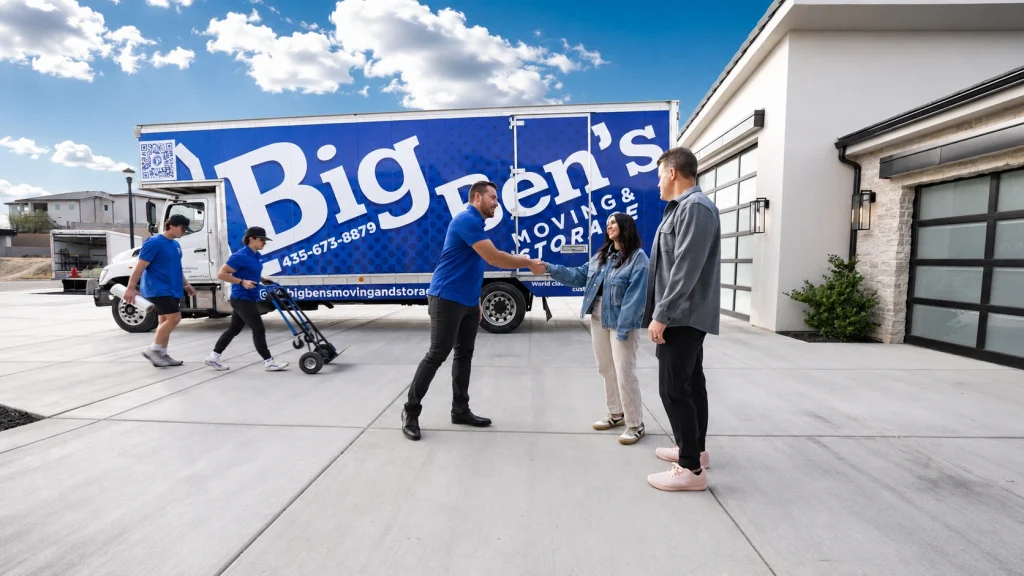
At Big Ben’s Moving & Storage, the goal is to match the storage plan to the customer’s real need. That may mean choosing a different unit size, coordinating storage with a move, or deciding that some items should not go into a unit at all.
Kallan’s Practical Rule for Better Storage
“Storage should solve a specific problem, not postpone a decision forever.”
That principle reflects how Kallan Webster approaches storage operations: people, process, and disciplined execution. Every stored item should have a reason, a protection plan, and a date when you will review it again. This simple habit helps customers protect what matters without paying indefinitely for things they no longer need.
Frequently Asked Questions
What items are not allowed in a storage unit?
Lorem ipsum dolor sit amet, consectetur adipiscing elit. Ut elit tellus, luctus nec ullamcorper mattis, pulvinar dapibus leo.
Can I store clothes in plastic bins?
Lorem ipsum dolor sit amet, consectetur adipiscing elit. Ut elit tellus, luctus nec ullamcorper mattis, pulvinar dapibus leo.
Can I store electronics without climate control?
It may work for a brief period in dry, moderate conditions. However, climate-controlled storage is safer for valuable electronics, long-term storage, and locations with extreme temperatures or humidity.
Is climate-controlled storage worth the extra cost?
It is often worth considering for photographs, documents, electronics, wood furniture, artwork, instruments, and sentimental items. Ask what conditions the facility actually controls.
How do I keep pests out of stored clothes and furniture?
Clean and dry every item, remove all food residue, use appropriate sealed bins, cover furniture with breathable materials, keep belongings raised, and inspect the unit regularly.
Should I choose a local or chain storage company?
Compare total cost, access, security practices, climate options, contract terms, and service. A local facility may provide more personal support, while a chain may offer more locations and standardized systems.
Choose Storage With a Clear Plan
Knowing what can you store in a storage unit is only the first step. The right decision also depends on how long you will store it, how sensitive it is to changing conditions, and whether the monthly cost supports your larger goal. If you are moving, renovating, downsizing, or simply trying to reclaim your home, Big Ben’s can help coordinate the move and the storage plan together. Explore our storage solutions or contact our team to discuss the right unit for your belongings.
Kallan Webster
Kallan Webster is the CEO of Storage at Big Storage Ventures. He brings accounting expertise, disciplined operational leadership, and a customer-focused approach to the acquisition and management of self-storage facilities.